
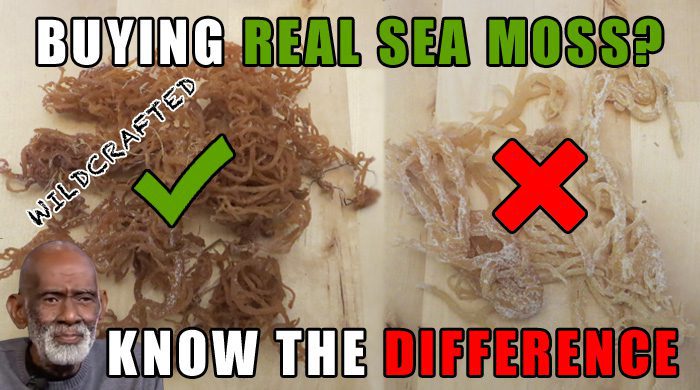
Dr. Sebi highlighted the benefits of consuming sea moss on a regular basis, and it has gained in popularity. But there are different types of sea moss and also fake sea moss we should avoid.
Dr. Sebi Spoke About Avoiding Processed Pool Grown Sea Moss
Many sea moss producers and suppliers take sea moss from the ocean and grow it in brine pool farms. Dr. Sebi spoke about how growing sea moss in brine pools. He said it changes the composition of the sea moss and negatively affects its nutrient content.
The sea moss grown in brine pools grow unnaturally fast and has a high salt content. It is also thicker, and lighter to translucent compared to natural sea moss. It has less color because of a lower mineral and nutrient content than natural sea moss. Natural sea moss absorbs minerals and nutrients from rocks, sun, and the ocean.




Different Types of Sea Moss
Sea Moss is a generic term for a species of red algae. It has numerous health benefits, including bone and connective tissue support. The popularity of sea moss is traced back to Great Famine in Ireland. To avoid starvation Irish people ate Chrondus Cripsus sea moss as a survival food. This particular form of sea moss acquired the name Irish Moss. Irish Moss sea moss grows in the cold water of he Atlantic Ocean.
Gracilaria sea moss is another type of sea moss that grows in warm water. You can easily find it in the warm waters of the Caribbean, South America, and Africa. Gracilaria sea moss vary slightly in appearance depending on its location.
Gracilaria and Irish Moss look distinctly different from each other, though they are both red algae. The also have similar nutritional value. Though they look different there is often confusion when it comes to referring to these sea moss. It is quite common for people to refer to Gracilaria as Irish Moss, though they are distinctly different in shape. This is likely because the history and popularity of Chrondus Crispus, Irish Moss sea moss.
Studies done on Chrondus Crispus indicate that it has a stronger nutritional value than Gracilaria. Even so, both are excellent nutritional supplements.
Sea Moss Benefits
Sea moss’ health benefits also include antiviral and antibacterial properties, and it supplies a wide range of nutrients.
Sea moss is a nutrient dense seaweed and excellent source of minerals. It contains bromine, calcium, iodine, iron, magnesium, phosphorus, potassium, and selenium.
The mucilage properties of sea moss is excellent in strengthening connective tissues and supporting joint health. Its mucilage properties also help to sooth the mucous membrane throughout the body, and supports skin health.
Sea Moss Differences?
In the Caribbean, Central and South America, Africa, and Asia a particular type of red algae grows in their warm water. People in Jamaica in these places call the red algae that grows there Irish Moss.
Technically Irish Moss is Chrondus crispus, and Chrondus crispus is another type of red algae. Irish Moss or Chrondus Crispus grows in colder waters along the Atlantic coasts of Maine and Ireland.
People gave Chrondus cripsus the name Irish moss because the Irish people turned to sustaining themselves by eating it during the Irish potato famine in the 1840’s.
I had to look into the distinctions because Dr. Sebi specifically referred to sea moss as Chrondus crispus, but his physical description of sea moss in the video differed from the Chrondus crispus that grows abundantly along the Atlantic shores of Ireland and Maine.
It appears, through my research, that people in Jamaica, and others places in the warmer waters of the coasts of the Atlantic ocean adopted the term “Irish moss” for the red algae that grows there.
The sea moss or red algae that grows in these areas are other forms of red algae which all pat of the Rhodophyta division of algae. There are over 7000 species of red algae appear, including Gracilaria.
Though they are different types red algae species than the Chrondus crispus, they contain similar properties.
It also appears that the sea moss Dr. Sebi describes in the video is Gracilaria though he also uses the term Chrondus crispus to identify sea moss.
Chrondus crispus and other Red Algae (Gracilaria) Images
Chrondus crispus has fan-like shaped tops consisted of wide flat fingers, and can vary in color from greenish-yellow, to red, to dark purple, to purplish-brown.
Chrondus crispus

The next 2 images are from scientific study of the properties of Chrondus crispus. Click for the article.
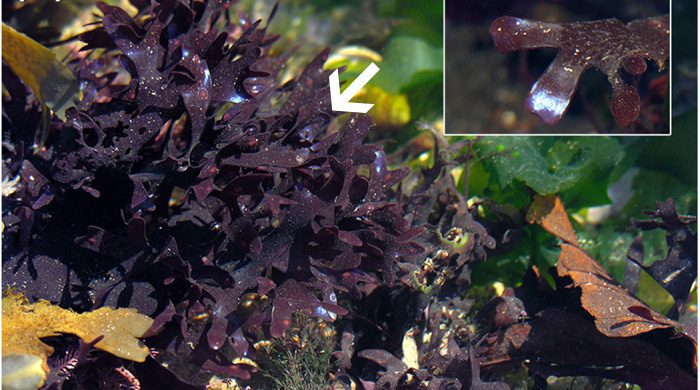

Different colors of Chrondus Crispus.
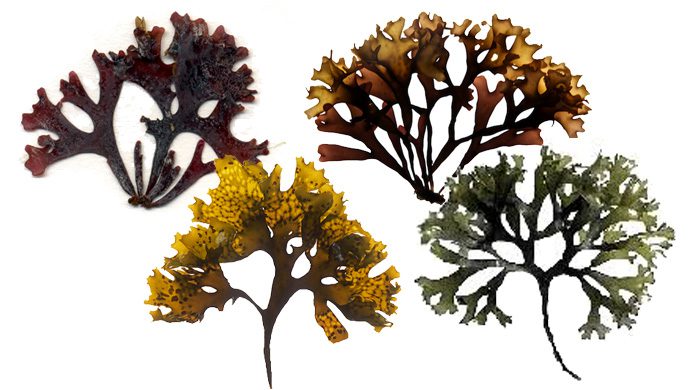
Other Forms of Red Algae Indcluding Gracilaria
Other forms of red algae also have fan-like shaped tops, but have thin fingered tops as shown in the picture below. Other forms of red algae are more string like in their entire construction, without the fan-like top.
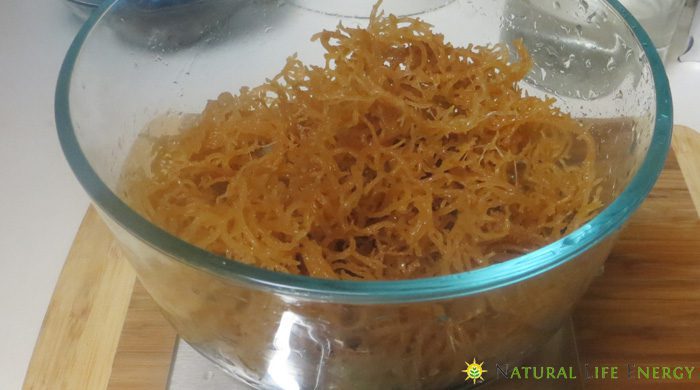
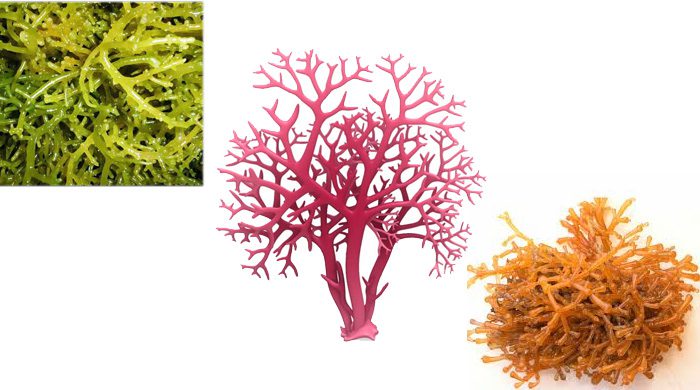
Chrondus crispus Shape
I have found the difference in shape between Chrondus crispus and other forms of red algae is its wider, flat, fan shaped tops of the algae.
Some other red algae that are similar to Chrondus crispus have similar fan shaped tops, but have thin finger-like tops. Dr. Sebi described the sea moss as having slender finger shaped tops, which identifies another type of red algae the commonly grows in warmer waters.
(To the Dr. Sebi community:
Some people are marketing a brand of sea moss called “purple sea moss” as being true sea moss or true Chrondus crispus.
Though it is a sea moss it is not the same as the scientifically defined Chrondus crispus that grows in cold water climates like in Maine and Ireland.)
Avoid Buying Pool Grown Sea Moss
I know the topic can be confusing, but to put it in nutshell, avoid buying pool grown sea moss. Whether the red algae sea moss you buy is technically Chrondus crispus or another form of red algae, avoid buying pool grown.
Dr. Sebi recommended against buying the pool grown sea moos, which is grown in brine water. Pool grown sea moss is lighter in color than natural sea moss, salty, and is deficient in minerals.
Sea Moss Grown In Ocean Farms
Sea moss producers also grow sea moss in sea farms to make harvesting easier. Though the sea moss grows in the ocean it doesn’t grow in exactly the same way as wildcrafted sea moss does because it grows from ropes instead of rocks.
Wildcrafted Sea Moss
Wildcrafted sea moss grows naturally and suppliers harvest in an eco-friendly way. Wildcrafting sea moss means harvested directly from its natural habitat, therefore it bypasses human intervention.
Ideally, harvesters only take parts of the sea moss plant, so the plant can regrow and support its ecosystem.
Wildcrafted sea moss is a better option than “organic” sea moss. You can grow organic sea moss in salt pools, so organic doesn’t necessarily make it better.
In comparison to pool made sea moss, wildcrafted sea moss retains its natural color and will be thinner and less salty than pool made sea moss.
The picture above compares a variety of natural or wildcrafted sea moss against pool grown sea moss. Most pool grown sea moss are red algae variants and not specifically the Chrondus cripsus variety.
I have started buying the Chrondus crispus variety, here: Atlantic Holdfast Seaweed Company.
Learn more about health and vitality supporting foods on the Dr. Sebi Nutritional Guide. »
[1] The Anti-Inflammatory Effect of Algae-Derived Lipid Extracts on Lipopolysaccharide (LPS)-Stimulated Human THP-1 Macrophages.
[2] Neuroprotective effects of the cultivated Chondrus crispus
[3] Chlorophyta and Rhodophyta macroalgae: a source of health promoting phytochemicals.
[4] Bioactivities from Marine Algae of the Genus Gracilaria